Intestinal Worms
Routine worming to keep your pet — and your family — safe from intestinal parasites.
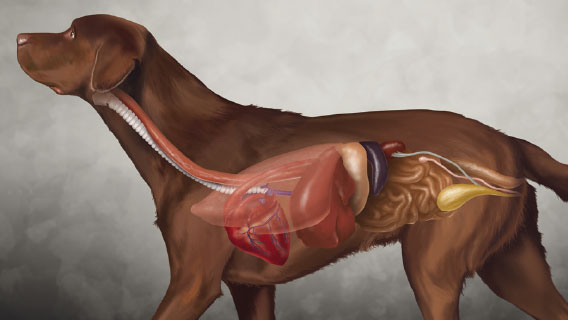
Intestinal worms are relatively common in many animal species including dogs, cats, rabbits, large animals, fish, reptiles and birds. Regular deworming is essential to ensure your pets remain healthy and to reduce the risk of some of these worms being transmitted to people.
Frequent deworming will kill worms that are present but it is very easy for your pet to become reinfested and so it’s important to continue deworming your pet all year round. Some intestinal worm species can produce large numbers of eggs, for example roundworm can lay 200,000 eggs per day within five weeks of infestation. It’s important to maintain a regular deworming program for your pets to reduce eggs being shed into the environment.
The short answer is yes, many worms infesting dogs are zoonotic, meaning they can be transmitted from animals to humans. Different worms cause different diseases and each have their own symptoms. Whilst anyone can become infected by intestinal worms, children and the immunocompromised are at greater risk. One of the most important ways to reduce human exposure is regular deworming of pets.
- Routine deworming for all pets in your household
- Prompt disposal of pet faeces on a daily basis.
- Ensure good hygiene, encourage children to wash their hands regularly (especially after playing in dirt or sandpits, playing with pets or prior to eating)
- Prevent children from ingesting soil or pet faeces
- Protect playgrounds, garden areas and cover sandpits
- Always dispose of dog faeces in public parks and playgrounds
- Prevent your pet from scavenging or hunting.
Please call us to discuss a deworming program for your pet.
Questions about intestinal worms?
Our team is happy to help. Call us or book an appointment.
Call (03) 5264 5822